
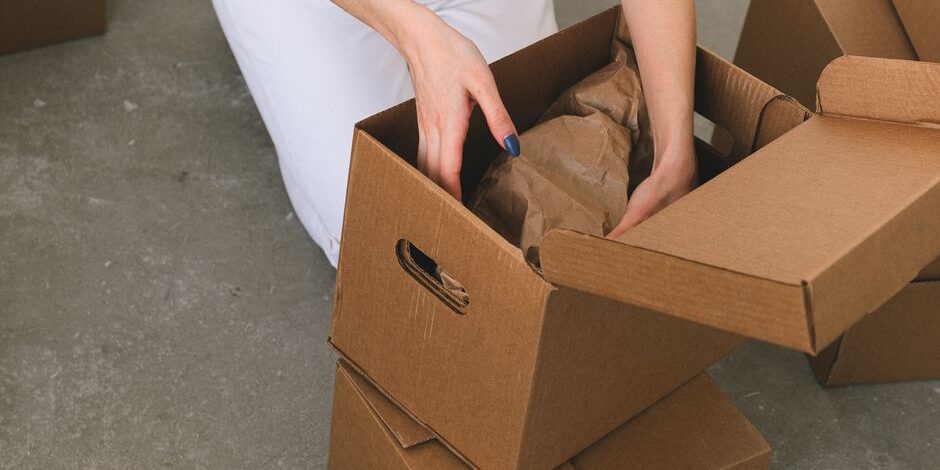
Packing heirlooms for a senior move starts with identifying valuable and sentimental belongings, choosing appropriate protective materials, and making a plan for how each item will be transported. Fragile items such as china, artwork, photographs, and family keepsakes may need different packing methods, while irreplaceable valuables are often best transported personally.
But packing heirlooms is about more than protecting fragile objects. These belongings often carry family stories and memories, which can make downsizing and moving especially emotional.
At Organizing Boston, we help families navigate those decisions and do the actual packing, too. Our experienced team can manage the process from sorting and carefully packing belongings to coordinating with a moving company, supervising loading and unloading, and unpacking everything in the new home.
For more on where to start with senior move planning, read our blog on helping a parent downsize.
Why heirlooms need their own packing plan

Why heirlooms need their own packing plan
Moving later in life can be a major transition, especially when it means leaving a longtime home. According to AARP’s 2024 Home and Community Preferences Survey, 75% of adults age 50 and older want to remain in their current homes, and 73% want to stay in their communities. Yet 44% expect to move eventually. (AARP, 2024)
When a move becomes necessary, deciding what to do with family heirlooms can be one of the more emotional parts of the process.
Most moving companies treat a grandmother’s china and a hospital bed the same way: they wrap both in standard pads and hope for the best. For a senior move, that approach falls short. Heirlooms hold monetary and emotional value that cannot be replaced by insurance, and medical equipment has to be operational on arrival day. Those two requirements do not fit neatly into a one-size-fits-all packing schedule built around speed.
Planning is what closes the gap. Working through a senior move in advance makes the entire transition easier to manage, and it gives the family room to decide what travels, what gets divided among relatives, and what stays behind. Decisions made calmly at a kitchen table almost always beat decisions made in a driveway on moving day.
This is where having an experienced team can make a difference. Our organizers take the time to understand which belongings are especially meaningful, choose appropriate packing materials, and make sure those items are properly protected and identified before moving day.
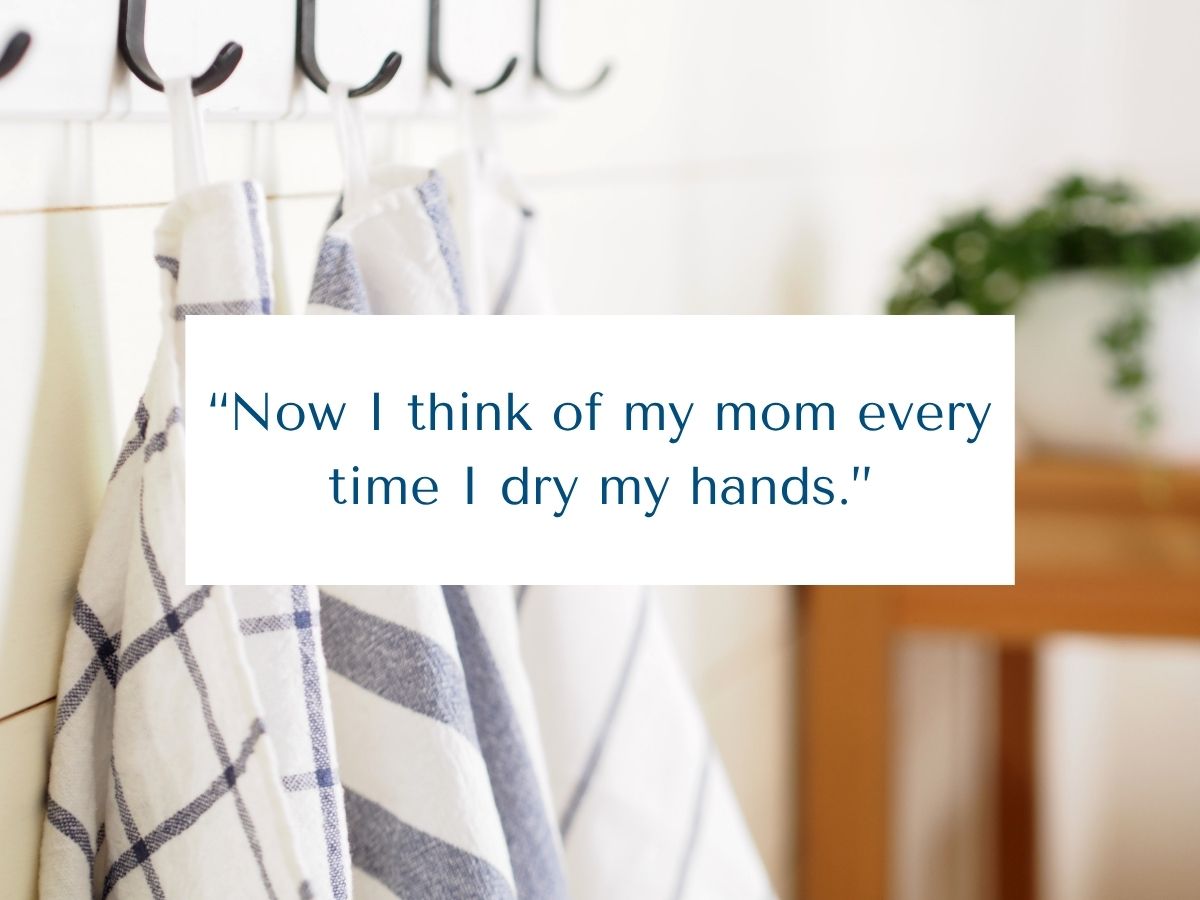
Sentimental items are some of the hardest to let go of, but you don’t always have to. Our organizer Kate helped a client who had saved every towel from her late mother’s home. There were so many, her own linens didn’t fit.
Instead of boxing them up or throwing them out, Kate helped her choose the best ones to use daily. It was a beautiful way to keep her mom’s memory close without the clutter.
The items that need the most care
Certain categories show up in nearly every senior move, and they are the ones that set the pace for the whole job:
- China, crystal, and dinnerware
- Framed photographs and original art
- Antiques and heirloom furniture
- Jewelry and other small valuables
Everything on that list is handled with the utmost care, and the fragile pieces in particular, benefit from individual attention rather than bulk packing. If a box rattles when it is lifted, it is not packed well enough yet.
Sort before you pack a single box
Packing gets far easier after a sorting pass. It is the difference between wrapping twenty meaningful pieces and wrapping twenty meaningful pieces plus a decade of old wrapping paper and a closet full of umbrellas. Everyday clutter like that does not need to make the trip, but it rarely sorts itself out, and it slows down every box that follows it.
What should never happen is mixing valuables into a general box to save space. A small heirloom tucked in with linens or kitchen goods is one of the easiest things in the world to lose, and it is also one of the hardest to replace once it is gone.
You don’t have to sort through everything alone. We often work alongside clients to decide what will move to the new home, what can be passed along to family, and what can be donated. As those decisions are made, our team can begin packing the items that are ready to go, so the project moves forward without creating another long to-do list.
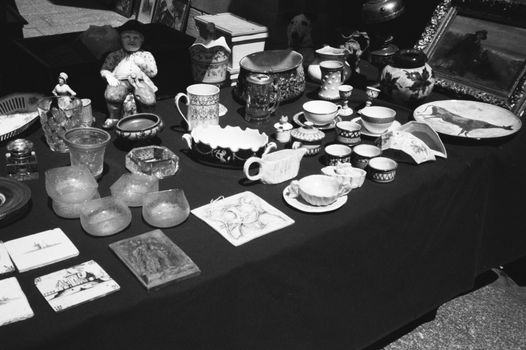
Make sure the people packing understand what matters
When our team handles the packing, we work with clients and families to identify those special items before they go into boxes. We can then pack them carefully, label them clearly, and coordinate with the moving company so everyone understands what needs special handling.
We’re also there to oversee the movers as they load and unload, helping make sure the plan is carried through from one home to the next.
Heirlooms aren’t ordinary household belongings. The person packing them should understand which pieces are fragile, which have sentimental value, and which need extra attention.
How to treat each kind of heirloom
Different heirlooms need different packing approaches. Here’s what we pay attention to when helping families prepare these belongings for a move.
China, crystal, and dinnerware
These pieces are fragile, they chip on contact, and they rarely sit still inside a box. We use wrap pieces individually and use firm cushioning to keep pieces from knocking against one another. Then, the box is marked so it never ends up at the bottom of a stack. For a set that has been used for decades of holidays, that extra layer of protection is not overkill.
Framed photographs and original art
Frames crack and glass scratches, so photographs and artwork need protection on both the surface and the corners. Photographs also hold information that exists nowhere else. Keep the ones that matter most close at hand rather than buried in a stack, because they tend to be the first thing a parent asks about in the new home.
Antiques and heirloom furniture
Furniture is where being present pays off the most. Older pieces can have loose joints, delicate inlay, or finishes that react badly to standard handling. We point out the fragile spots to movers before anything is lifted, and identify which pieces are sturdy enough to serve as packing surfaces and which are not.

Carry jewelry and small valuables yourself
Small valuables should be kept separate from larger packed items, and if the move covers a long distance, they should travel in carry-on luggage rather than riding in the moving truck. The same approach works for documents and any single item the family would be devastated to lose. A moving truck is a practical vehicle, not a vault, and treating a few small things differently removes an entire category of risk from the day.
Label boxes so unpacking goes smoothly
Professional packing strategies for senior moves come down to two things: protecting fragile items and labeling boxes so unpacking is easy. Labels do more than tell you what is inside. They tell you which room the box belongs in and which boxes need to be opened first. Clear labeling means the first day in a new home is spent settling in rather than digging through cardboard.
Fragile heirloom boxes deserve a clear marking and a designated place in the load, away from heavy furniture and anything that might shift during the drive.
Do not let medical equipment get lost in the shuffle
Medical equipment carries a harder requirement than anything else in the house: it has to work on arrival day. That means it travels in a way that keeps it protected, accessible, and easy to identify, rather than buried under three rows of boxes. Medications and other daily essentials should be packed separately from the general load as well, so the first evening in a new home does not depend on finding one particular carton.
What professional senior move support adds

A senior move involves much more than getting belongings from one address to another. There are decisions to make, items to sort, boxes to pack, movers to coordinate, and an entirely new home to set up.
That’s where Organizing Boston comes in.
Our experienced senior move managers and professional organizers can help with the entire process. We work with clients and families to downsize and decide what belongs in the new home, carefully pack belongings (including sentimental items and heirlooms), and coordinate with the moving company.
On moving day, we can supervise the movers during loading and unloading, making sure the process stays organized. Once everything arrives, we unpack and help set up the new space.
One of the biggest advantages of working with the same team throughout the move is that we already know you, your belongings and how you like things arranged. We can help recreate familiar routines and make the new home feel comfortable much sooner.
For seniors and their families, that continuity can make a potentially overwhelming transition feel much more manageable.
You don’t have to manage a senior move on your own
Whether you’re preparing for your own move or helping a parent downsize, our experienced team can help with the decisions, the packing, the coordination, and the unpacking. We want you to feel confident that your treasured belongings are being handled with care so that your new home will feel like home quickly.
Frequently Asked Questions
Does Organizing Boston actually pack and unpack belongings for senior moves?
Yes! Our professional organizers can handle packing your belongings, including fragile and sentimental items. We also coordinate with the moving company, supervise loading and unloading, and help unpack and organize your new home so you can settle in more comfortably.
Does Organizing Boston transport belongings during a move?
We work alongside professional moving companies, which handle the physical transportation of your belongings. Our role is to help prepare and pack your home, coordinate the details, supervise the movers during loading and unloading for local moves, and unpack and organize everything afterward. For long-distance moves, the scope of our services may be more limited.
Should I be present when packers handle my parent’s heirlooms?
Yes, whenever possible. Packing professionals strongly recommend that a family member be present during packing, especially for antiques and personal belongings, because your input shapes how things are wrapped and labeled. If you cannot attend, we will work with you to identify important items prior to packing.
How should we transport jewelry and small heirlooms?
Keep jewelry and small heirlooms separate from larger packed items. If the move covers a long distance, carry them in carry-on luggage rather than loading them onto the truck. The same approach works for important documents and any single item the family could not stand to lose. A few small things traveling separately removes a whole category of risk.
What should we do with heirlooms that will not fit in the new home?
Start the conversation well before moving day, because planning a senior move in advance is what makes the transition manageable. Families often divide keepsakes among children and grandchildren, gift pieces to people who will actually use them, or offer them to relatives who have admired them for years. Deciding early gives everyone time to talk it through.
How early should we start planning a senior move?
Earlier than feels necessary. Planning in advance is the most reliable way to make a senior move go smoothly, and sorting a home that has been lived in for decades takes real time. Starting early also creates room for the slower conversations about which items matter most and which can be passed along. Rushed moves are where heirlooms get lost or damaged.
Can insurance replace a damaged heirloom?
Insurance can address monetary value, but it cannot replace the emotional value of an heirloom. That is the core reason these items are packed differently from everyday belongings. A payout may cover the cost of a similar piece, but it will not restore the object your family actually lived with. Careful handling is the only real protection.


