

Helping a Parent Downsize: Where to Start
When a parent needs help with downsizing it can feel overwhelming. Many families find themselves navigating years, or sometimes even decades, of belongings while also managing the emotional and logistical challenges of a move. Senior downsizing help is available, but we find that most of our clients start off on their own.
Whether your parent is moving to a smaller home, transitioning to assisted living, or simplifying their space, the downsizing process can be much easier with a thoughtful plan and caring support. With the right approach, it’s possible to reduce stress and make the transition smoother for everyone involved.
Here are a few practical ways to begin.
If you’re preparing for a move, you may also find our guide on creating a stress-free move for seniors helpful.
Start the Conversation Early
Downsizing is rarely just about belongings. We often find that for our clients, their home represents a lifetime of memories, milestones, and family history. That’s why starting the conversation early can make a meaningful difference.
Instead of focusing only on what needs to be removed, talk about the benefits of the next chapter. A smaller home or supportive living environment can mean less maintenance, greater safety, and more time to enjoy family, hobbies, and community.
Approaching the process with empathy and patience helps everyone feel more comfortable moving forward.
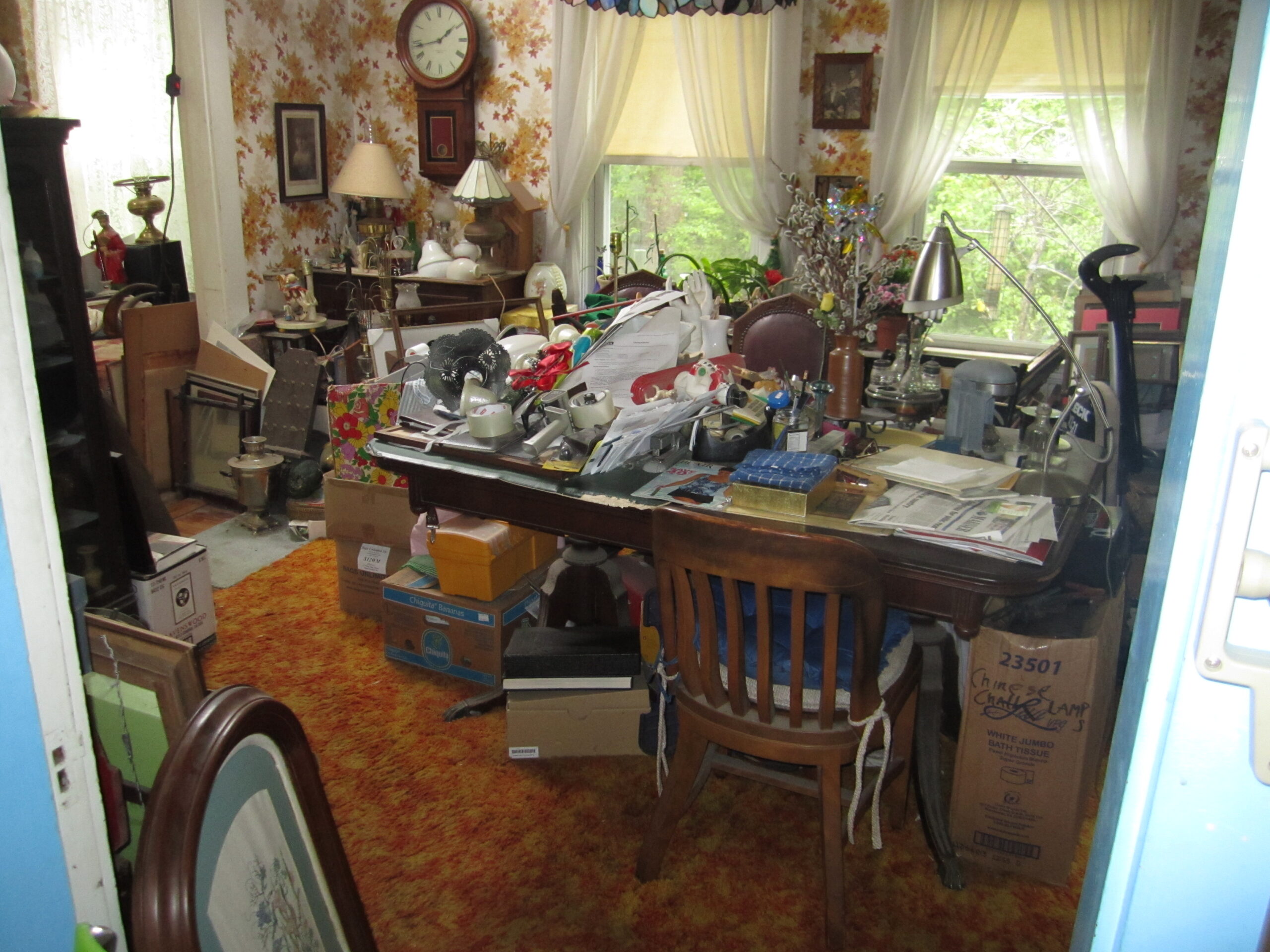
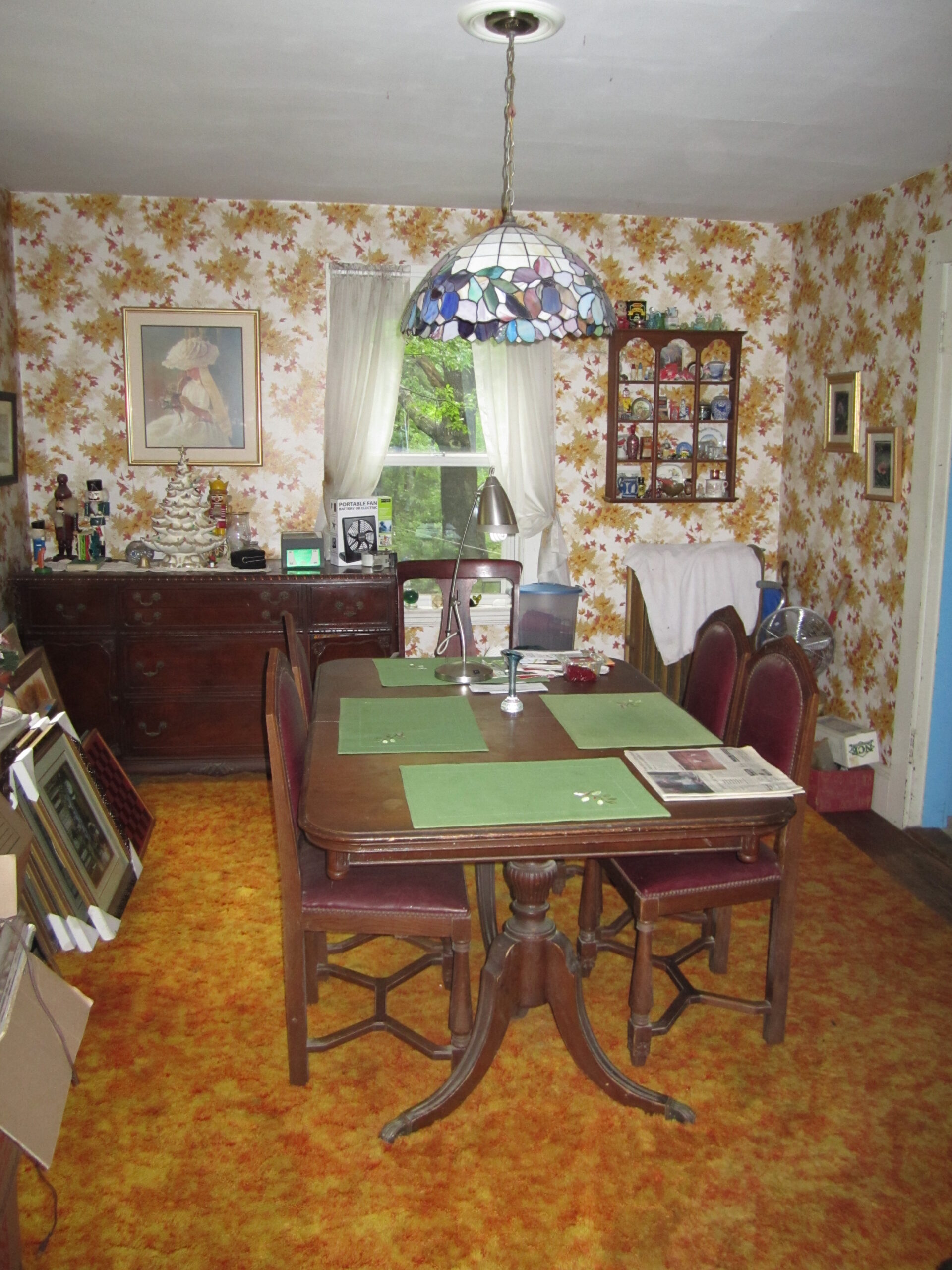
Begin with the Easiest Areas
When families start downsizing, the biggest mistake is often beginning with the most emotional spaces, like the photo albums or keepsakes. Our organizers prefer to start with areas that tend to contain fewer sentimental items because it helps get the process started much more easily.
Good starting points include:
-
Linen closets
-
Storage rooms or basements
-
Kitchen duplicates
-
Extra furniture or unused appliances
Starting with these spaces helps build momentum and confidence before tackling more meaningful belongings.
Sort Items into Clear Categories
As you work through each space, it helps to create simple categories for items:
Keep – Items that will move to the new home
Give – Items that you’d like to pass on to children or family
Donate – Items that can benefit someone else.
Sell – Furniture or valuables that still hold significant value
Discard – Items that are broken or no longer usable
Many families are surprised to discover that certain pieces, such as antiques, collectibles, artwork, or specialty furniture, may have resale value.
Some of our professional organizers even help coordinate the sale of items through trusted buyers or consignment partners. In many cases, selling a few valuable pieces can help offset the cost of organizing and senior move management services.
Understand That Downsizing Takes Time
A lifetime of belongings cannot be sorted in a weekend. For many families, downsizing is a process that unfolds over several weeks or months.
Giving yourself adequate time allows for thoughtful decision-making and reduces the pressure that can make the process emotionally exhausting.
Planning ahead also ensures that the home can be properly prepared if it will eventually be listed for sale.
Consider Professional Support
Families searching for senior move managers near them are often looking for support with downsizing, organizing, packing, and coordinating the many details involved in a move.
A professional organizing team that specializes in senior move management can help:
-
Create a clear plan and timeline
-
Sort belongings efficiently
-
Coordinate donations or removal services
-
Prepare the home for staging or sale
-
Assist with packing, moving, and unpacking
Some organizers also specialize in coordinating the sale of valuable items, connecting clients with trusted buyers or consignment partners when appropriate.
At Organizing Boston, our team works with families throughout Greater Boston, including Newton, Wellesley, and surrounding communities, to make downsizing and moving feel more manageable. Our approach is always supportive, respectful, and completely judgment-free.
Making the Transition Easier
Downsizing a parent’s home is often both practical and emotional. With thoughtful planning, clear communication, and the right support, the process can become an opportunity to simplify life and move forward with confidence.
If you’re helping a parent prepare for a move and feeling unsure where to begin, working with an experienced organizing team can make all the difference.


Work with Certified Senior Move Professionals
Senior moves often require more coordination than a typical relocation. Downsizing, organizing, packing, coordinating donations, and preparing a home for sale can quickly become overwhelming for families managing it alone.
Organizing Boston is proud to be affiliated with the National Association of Senior & Specialty Move Managers (NASMM), a professional organization dedicated to helping older adults transition to new living environments with dignity and care.
NASMM members follow established professional standards and best practices for senior relocation, ensuring that moves are handled with compassion, discretion, and efficiency.
For families navigating a complex transition, working with an experienced team connected to NASMM can provide reassurance that every step of the process is handled thoughtfully and professionally.
FAQ: Senior Downsizing
How far in advance should seniors start downsizing before a move?
Ideally, downsizing should begin at least two to three months before a planned move. Starting early allows families to sort belongings thoughtfully and reduces last-minute stress.
What happens to furniture or items that won’t fit in the new home?
Many items can be donated, given to family members, or sold through consignment or specialty buyers. Professional organizers often help coordinate these options.
Can professional organizers help with senior downsizing?
Yes. Professional organizers who specialize in senior move management help families sort belongings, coordinate donations, prepare the home for sale, and assist with packing and moving logistics.


